
How to Set Up an Office Filing System That Actually Works

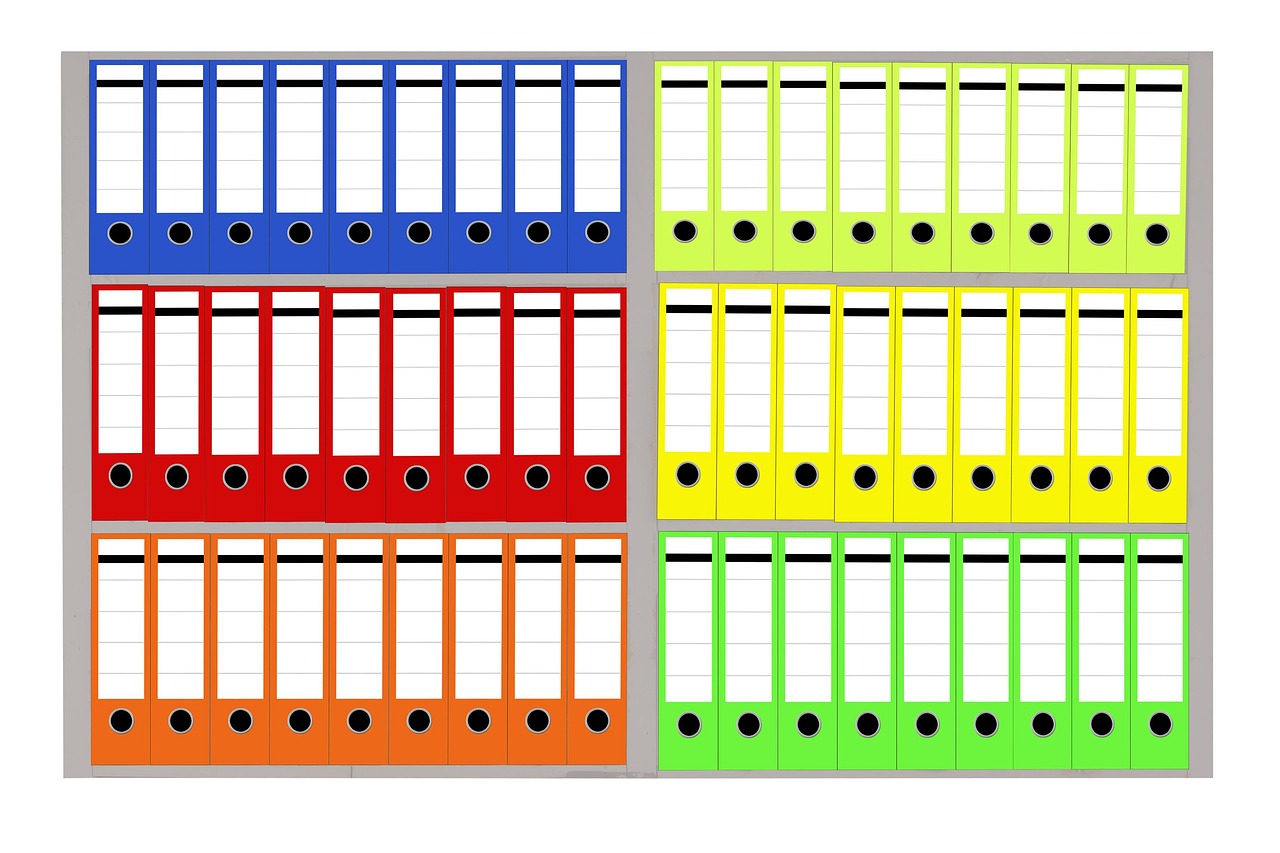
A good filing system is invisible — papers go in, and you find them instantly when needed. A bad one costs hours of searching. Here’s how to build a filing system that actually works for your office.
Step 1: Decide on a Structure
Choose how files are grouped — by client, by department, by project, or by date. Pick one main system and stick to it.
Step 2: Choose the Right Folders
- Suspension files for filing cabinets.
- Lever arch files for punched documents you add to regularly.
- Box files for archived records.
- Manila folders for grouping within larger files.
Step 3: Label Consistently
Use a clear, consistent labelling format — for example, Client Name – Year – Category. Everyone should be able to read and follow it.
Step 4: Colour-Code
Assign colours to categories (finance, HR, clients, legal). The eye finds colour faster than text — it speeds up filing and retrieval.
Step 5: Create an Archive
Move completed or old files to box files and a separate storage area. Keep only active files within reach.
Step 6: Set Filing Rules
- File daily — don’t let stacks build up.
- One home for every document type.
- Return files after use.
Step 7: Review Regularly
Schedule a quarterly clean-up to archive old files and keep the system lean.
A Note on Durability
Office files take daily handling. Sturdy folders with secure tabs save money over flimsy ones that tear and need replacing.
Find durable office folders and filing supplies at casaviostudio.shop — free delivery across India, with 7-day returns.